Seasonal Fixture Overloads and Their Ripple Effects on Comparative Pricing for UK Football Leagues Alongside Flat Racing Circuits
Sam Koch · May 20, 2026

Seasonal Fixture Overloads and Their Ripple Effects on Comparative Pricing for UK Football Leagues Alongside Flat Racing Circuits
UK football leagues and flat racing circuits both face intense scheduling demands each spring, when overlapping fixtures create measurable shifts in how bookmakers set and adjust prices across comparison platforms. Data from recent seasons shows that fixture congestion peaks in May as football campaigns wind down with title deciders, relegation battles and play-off ties while racing calendars fill with high-profile meetings at Newmarket, Epsom and York. These periods produce rapid changes in team and horse availability that directly influence odds movements tracked by comparison sites.
Fixture Congestion Patterns Across Both Sports
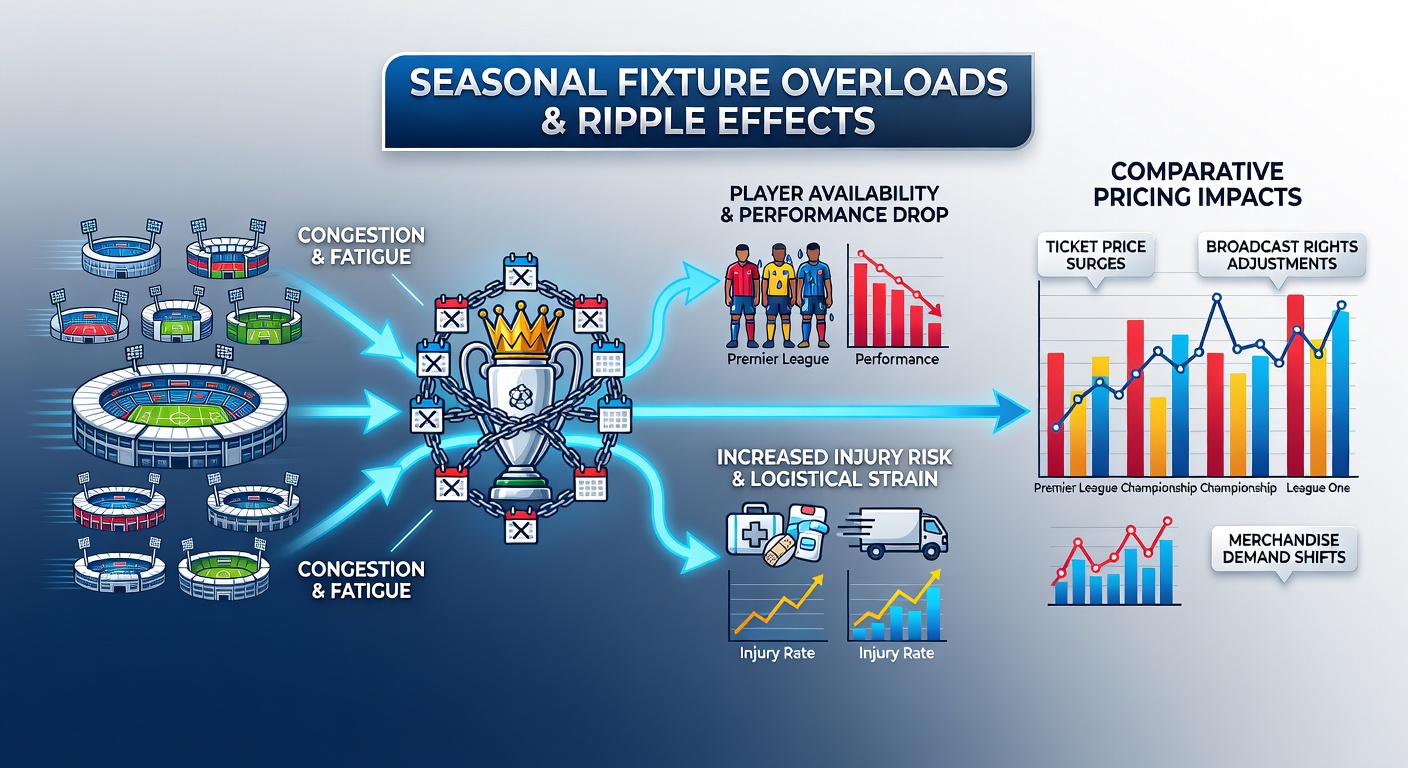
Football schedules in the Premier League, Championship and League One routinely compress multiple matches into short windows, especially when European commitments or cup replays extend the calendar. Observers note that clubs often rotate squads heavily during these stretches, and late team-news updates prompt bookmakers to revise lines on goals, corners and player props. Flat racing encounters similar pressure through back-to-back cards and long-distance travel between tracks, which affects trainer declarations and ground conditions that bettors monitor closely.
Comparative pricing tools aggregate these adjustments in real time, allowing users to see where margins widen or tighten as fresh information emerges. Researchers tracking historical data have found that odds on both football and racing markets tend to drift more sharply on days when multiple events run concurrently, creating brief windows of value before markets stabilise.
How Overloads Influence Odds Adjustments
Bookmakers respond to fixture overloads by incorporating fatigue metrics, travel distances and recent form into their models. In football this often appears as adjusted totals for matches involving sides that played midweek, while in flat racing it surfaces through revised place terms or each-way fractions on fields with several runners carrying penalties. Comparison sites capture these revisions across multiple operators, highlighting the spread between the sharpest and softest prices available at any moment.
Figures released by the Premier League indicate that the final month of the season typically contains the highest density of fixtures, with some clubs contesting four games in fourteen days. Parallel patterns appear in the flat calendar, where major trials feed directly into Classics and then into Royal Ascot preparations. Those who monitor both sports through unified comparison tools frequently observe that pricing discrepancies widen when information arrives close to post time or kick-off.
Comparative Pricing Dynamics in May 2026
Looking ahead to May 2026, analysts expect continued pressure from the compressed calendar following the winter schedule and international windows. Football leagues will conclude their regular campaigns while simultaneously staging promotion and relegation play-offs, and flat racing will feature concentrated programmes at key tracks. Early indications suggest that operators will respond by tightening certain markets and widening others, particularly where squad rotation or non-runners remain uncertain until the final hours.
Comparison platforms already record higher user traffic during these weeks, as bettors seek the best available prices amid fluctuating lines. The process works through automated feeds that refresh quotes whenever bookmakers update their boards, creating a live map of value across football and racing selections. Studies on scheduling congestion, such as those referenced in reports from the Union of European Football Associations, confirm that fixture density correlates with increased volatility in market prices.
Ripple Effects on Broader Markets
The knock-on consequences extend beyond individual matches or races. When multiple high-profile events cluster together, liquidity on accumulator and multiple bets rises, prompting further recalibrations by layers. In football this can affect outright title or relegation odds, while in racing it influences ante-post markets for subsequent festivals. Comparative pricing services track these secondary movements, revealing how an early price shift in one sport can influence sentiment in the other.
Industry reports from organisations such as the Australian Gaming Council highlight parallel patterns in jurisdictions with dense seasonal calendars, underscoring that overload periods consistently produce wider price ranges across operators. UK platforms mirror this behaviour, with the result that users who compare lines systematically can identify discrepancies that close quickly once public money flows in.
Conclusion
Seasonal fixture overloads in UK football and flat racing generate predictable yet fast-moving effects on comparative pricing. The concentration of matches and meetings in May amplifies the frequency of odds revisions, and platforms that aggregate these changes provide a clear view of where value appears and disappears. Data from governing bodies and scheduling studies continues to show that congestion remains a structural feature of both sports, ensuring that comparative tools retain relevance for those navigating the resulting market fluctuations.