Seasonal demand surges reshape line compilation for winter football fixtures and spring jumping festivals
Mia Richter · Jul 20, 2026

Seasonal demand surges reshape line compilation for winter football fixtures and spring jumping festivals
Seasonal patterns drive noticeable shifts in how betting operators compile and adjust lines for winter football fixtures alongside spring jumping festivals and these adjustments reflect changes in market volume, liquidity, and participant behavior across multiple regions.
Winter Football Demand Patterns
Football leagues across Europe and North America experience concentrated fixture schedules from December through February and this concentration produces elevated betting turnover that influences line compilation processes at major operators. Data from the Nevada Gaming Control Board shows consistent increases in handle during these months when major leagues resume after international breaks and operators respond by tightening margins on high-volume markets such as match results and goal totals.
Line compilers incorporate real-time data feeds on team news, weather conditions, and travel schedules while accounting for the larger pool of wagers that can move prices more rapidly than in quieter periods. Those who monitor these markets note that early lines often shift within minutes of release during peak weeks because automated systems detect volume spikes and adjust accordingly.
Mechanics of Line Compilation Under Pressure
Operators maintain dedicated teams that blend statistical models with manual oversight to generate initial prices and during demand surges these teams increase the frequency of reviews to maintain balance between liability and competitiveness. Australian research published through the University of Sydney Business School indicates that liquidity surges correlate with narrower spreads on popular selections while less liquid side markets receive wider margins to offset risk.
Systems track incoming bets across multiple channels including mobile apps and retail outlets and when thresholds are crossed the models trigger automated repricing that human traders then verify. This hybrid approach prevents large exposures on single outcomes while preserving attractive odds that draw additional volume.
Spring Jumping Festivals and Market Response
Jumping festivals in March and April attract substantial international interest and create distinct demand profiles compared with winter football schedules. Events such as the Cheltenham Festival generate concentrated betting windows that require operators to compile lines across numerous races with multiple runner fields and varying ground conditions. Figures released by the New Jersey Division of Gaming Enforcement highlight parallel volume increases during comparable US steeplechase meetings and demonstrate how operators scale compilation resources ahead of these dates.
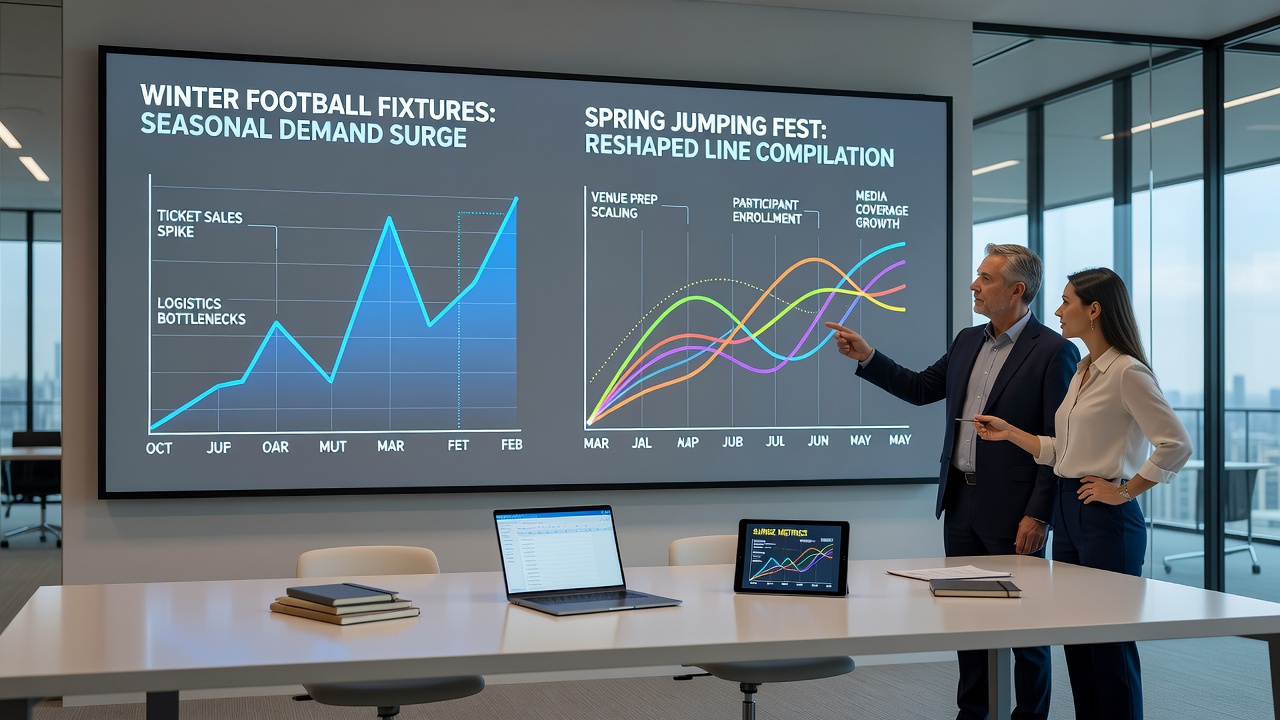
Compilers integrate weather forecasts, trainer declarations, and historical performance data into pricing algorithms while monitoring live market activity that can alter odds between races. The increased number of participants in each market during these festivals means that even modest betting clusters produce measurable price movements that automated tools capture and human oversight refines.
Cross-Sport Effects on Compilation Strategies
Operators handling both winter football and spring jumping events often share data infrastructure that allows insights from one sport to inform adjustments in the other. When football markets experience heavy action on certain midweek fixtures the same systems flag similar liquidity patterns emerging in early spring racing markets and adjust compilation frequency accordingly. Reports from the European Gaming and Betting Association document these interconnected workflows and show how shared technology reduces latency between volume detection and line updates.
Regional variations appear as well. European operators prioritize football line stability during winter because of dense fixture lists whereas Australian and Asian platforms allocate more resources to racing compilation ahead of major carnival seasons. These differences reflect local calendar peaks rather than uniform global approaches.
Technology and Regulatory Context
Advances in real-time data integration allow compilation teams to process larger datasets during demand surges and this capability supports more granular pricing across both football and jumping markets. Regulatory frameworks in multiple jurisdictions require operators to maintain audit trails of line changes and these records reveal that adjustment frequency rises proportionally with betting volume during the identified seasonal windows.
July 2026 will see several leagues release preliminary schedules that allow early line compilation work to begin and those preparations incorporate lessons from previous winter and spring cycles. Such forward planning helps operators allocate staff and server capacity before peak periods arrive.
Conclusion
Seasonal demand surges continue to influence line compilation practices for winter football fixtures and spring jumping festivals through measurable effects on volume, liquidity, and adjustment speed. Operators rely on combined technological and human systems to manage these pressures while regulatory requirements ensure transparency in the resulting price movements. The patterns observed across different regions and sports demonstrate consistent responses to calendar-driven betting activity rather than isolated anomalies.