Linking Inflation Trends to Odds Movements in British Bookmaking for Major Sporting Events
Theo Wolf · Aug 8, 2026
Linking Inflation Trends to Odds Movements in British Bookmaking for Major Sporting Events
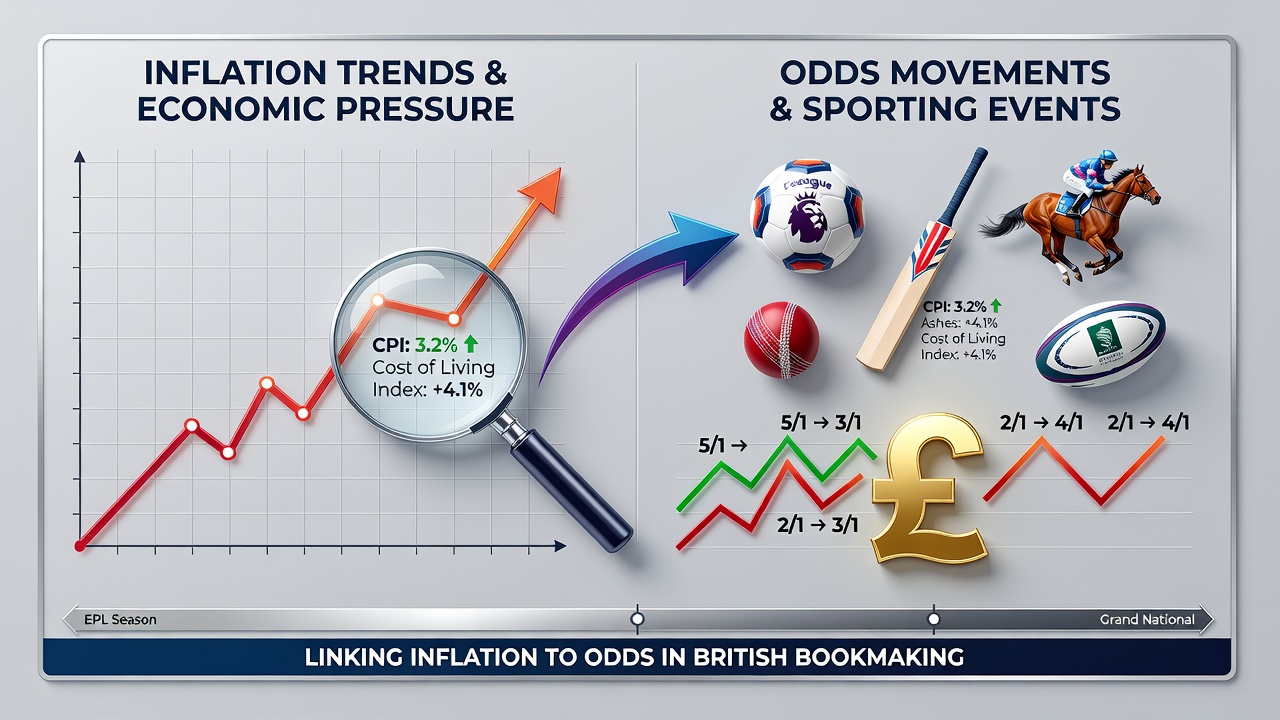
Inflation trends exert measurable pressure on British bookmaking operations, where operators adjust odds across football, horse racing, and tennis to account for shifts in operational costs, betting volumes, and risk exposure. Data from economic monitoring bodies shows that rising consumer prices correlate with changes in wagering patterns, prompting bookmakers to recalibrate margins on major events.
Economic Factors Driving Odds Adjustments
Bookmakers monitor inflation indicators closely because higher prices increase overhead expenses such as staffing, technology, and compliance. When inflation rises, these costs climb and operators respond by widening margins on certain markets or tightening odds on high-volume bets. According to figures released by the Bank for International Settlements, periods of sustained inflation above 3 percent coincide with measurable adjustments in pricing models used by UK firms.
Those who track market data note that punter deposits and stake sizes fluctuate with household budgets. During elevated inflation cycles, average bet values often decline while overall participation holds steady or increases in lower-stake categories. This pattern forces bookmakers to balance liquidity across multiple disciplines simultaneously.
Football Markets and Inflation Sensitivity
Premier League and European competition fixtures provide high liquidity, yet inflation affects how bookmakers set lines on goal totals, match winners, and handicap markets. When inflation data releases show accelerated price growth, operators have been observed tightening odds on popular selections to protect against increased payout liabilities. Research from academic institutions indicates that these adjustments occur faster in live betting windows than in pre-match markets.
Case examples from past seasons reveal that August periods, including the 2026 campaign start, often feature early-season odds movements tied to broader economic releases. Bookmakers integrate inflation forecasts into their algorithms to anticipate changes in disposable income among regular bettors.
Horse Racing and Cost-Related Price Shifts
Racing markets respond differently because prize money, travel expenses, and training costs rise directly with inflation. Trainers and owners face higher feed and fuel prices, which can influence participation rates in certain meetings. Bookmakers adjust ante-post prices and each-way terms accordingly, especially for festivals where field sizes may contract.
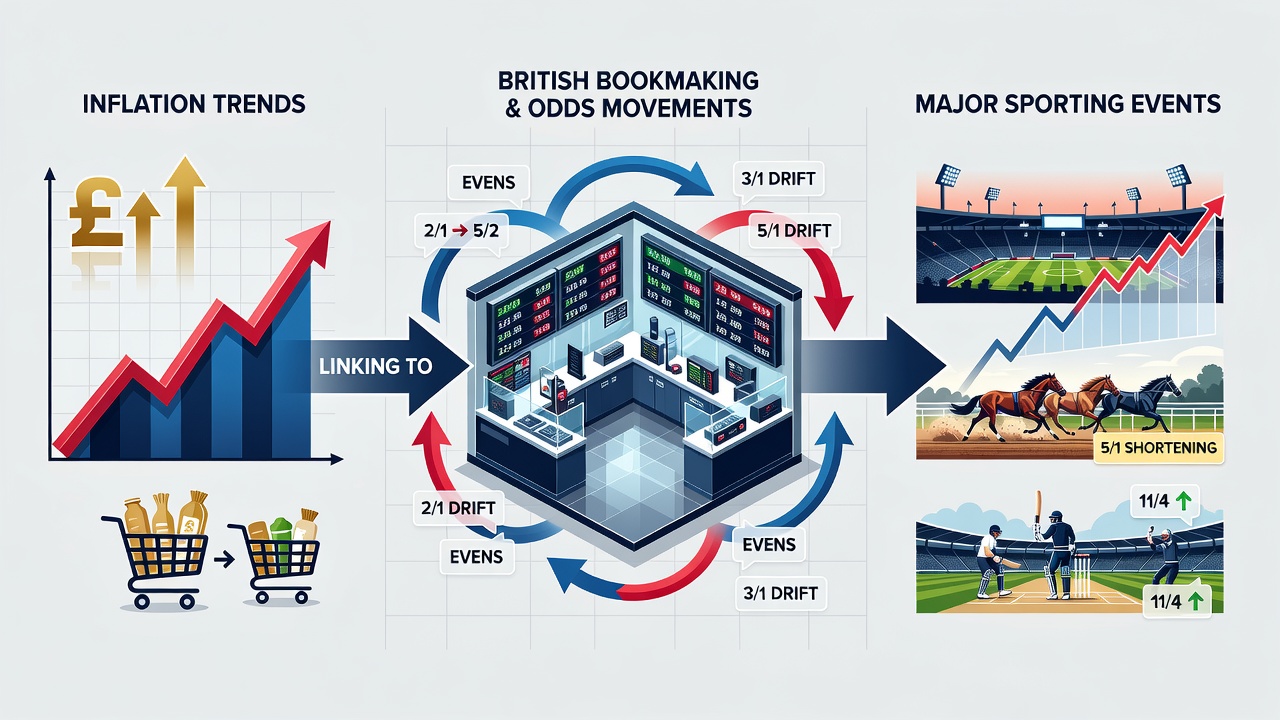
Observers tracking UK racing data find that inflation spikes frequently precede shortened fields at mid-tier tracks, which in turn alters place terms and reduces available liquidity on longshots. These dynamics create distinct odds movement patterns compared with football.
Tennis and Cross-Sport Comparisons
Tennis betting markets operate on shorter event cycles, making them responsive to rapid economic signals. Grand Slam and ATP events see odds revisions when inflation affects travel budgets for players and support staff. Operators apply similar risk models across tennis and other sports yet calibrate differently because tennis volumes peak at specific times of year.
Comparative studies from research organizations highlight that tennis accumulators often show tighter margins during inflationary periods than equivalent football or racing products. This stems from the individual nature of tennis matches, where single-player outcomes allow more precise hedging against cost-driven volume changes.
Industry Data and Regulatory Context
Industry reports compiled by groups such as the OECD track how macroeconomic variables influence gambling sectors across developed markets. UK bookmakers apply these insights when modeling odds for simultaneous events spanning multiple disciplines. The result appears in synchronized movements where inflation announcements trigger parallel adjustments on football spreads, racing win markets, and tennis set betting.
August 2026 data releases on inflation are expected to follow established patterns, with operators preparing systems to handle potential shifts in betting behavior during the new football season and late-summer racing fixtures. These preparations include updated algorithms that factor in both domestic price indices and international benchmarks.
Conclusion
Inflation trends connect directly to odds movements through operational cost pressures, punter spending adjustments, and liquidity management across British bookmaking. Football, horse racing, and tennis each display distinct response patterns while sharing common economic drivers. Data from multiple sources confirms these relationships without implying causation beyond observed correlations. Continued monitoring of inflation indicators remains standard practice for maintaining balanced books across disciplines.