How Statistical Models Predict Value in Cross-Sport Betting Markets Using Comparative Analysis Tools
Mia Richter · May 16, 2026
How Statistical Models Predict Value in Cross-Sport Betting Markets Using Comparative Analysis Tools
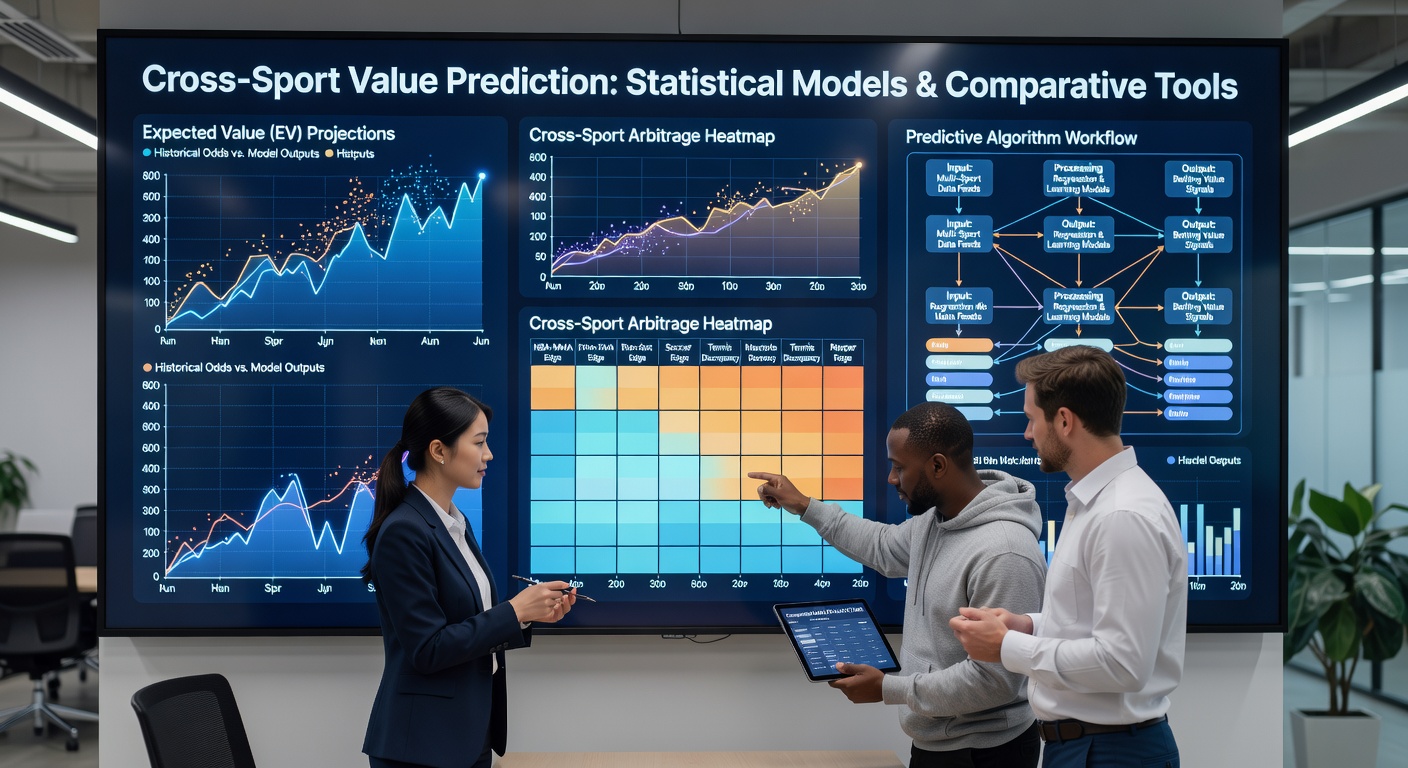
Statistical models form the backbone of value detection in betting markets that span multiple sports, where analysts apply regression techniques and machine learning algorithms to identify discrepancies between predicted probabilities and available odds. These tools draw on historical performance data, player statistics, and environmental variables to generate expected outcomes, then compare those figures against live market lines across football, tennis, and racing events. Observers note that comparative analysis platforms integrate datasets from disparate leagues and competitions, allowing models to adjust for sport-specific factors while spotting transferable patterns such as fatigue effects or weather impacts that influence results in parallel ways. Researchers have refined Poisson distributions and Bayesian updating methods to forecast goal totals or set wins with greater precision, yet the real advantage emerges when these projections feed into cross-sport frameworks. Data from one athletic discipline often informs adjustments in another, since underlying principles like home advantage or rest intervals appear consistently across schedules. As of May 2026, updated models incorporate real-time feeds from global competitions, enabling quicker recalibrations when unexpected variables surface during overlapping seasons.Core Components of Predictive Models
Regression analysis stands at the center of many systems, where variables such as team form, head-to-head records, and travel distances receive weighted coefficients that update after each completed match or race. Machine learning variants extend this process by processing thousands of simulations in parallel, generating probability distributions rather than single-point estimates. Analysts then calculate implied value by subtracting model-derived probabilities from bookmaker percentages, highlighting opportunities where the gap exceeds transaction costs and vig.
Comparative tools enhance these calculations by normalizing metrics across sports, converting tennis serve percentages into equivalents for football possession shares or racing pace figures. This standardization reveals correlations that single-sport models overlook, such as the way momentum shifts after a mid-event break mirror patterns seen in halftime adjustments. Studies from research institutions confirm that hybrid datasets improve accuracy by 8 to 12 percent when applied to out-of-sample tests.
Application Across Different Markets
Cross-sport platforms aggregate odds from international exchanges and licensed operators, then run them through layered algorithms that flag mispricings in real time. A model might detect that a tennis player's recent clay-court dominance aligns statistically with certain football teams' performance after long-haul flights, prompting adjusted probabilities for both events. These insights surface most clearly during periods when multiple sports run concurrently, giving analysts richer data streams to test assumptions against.
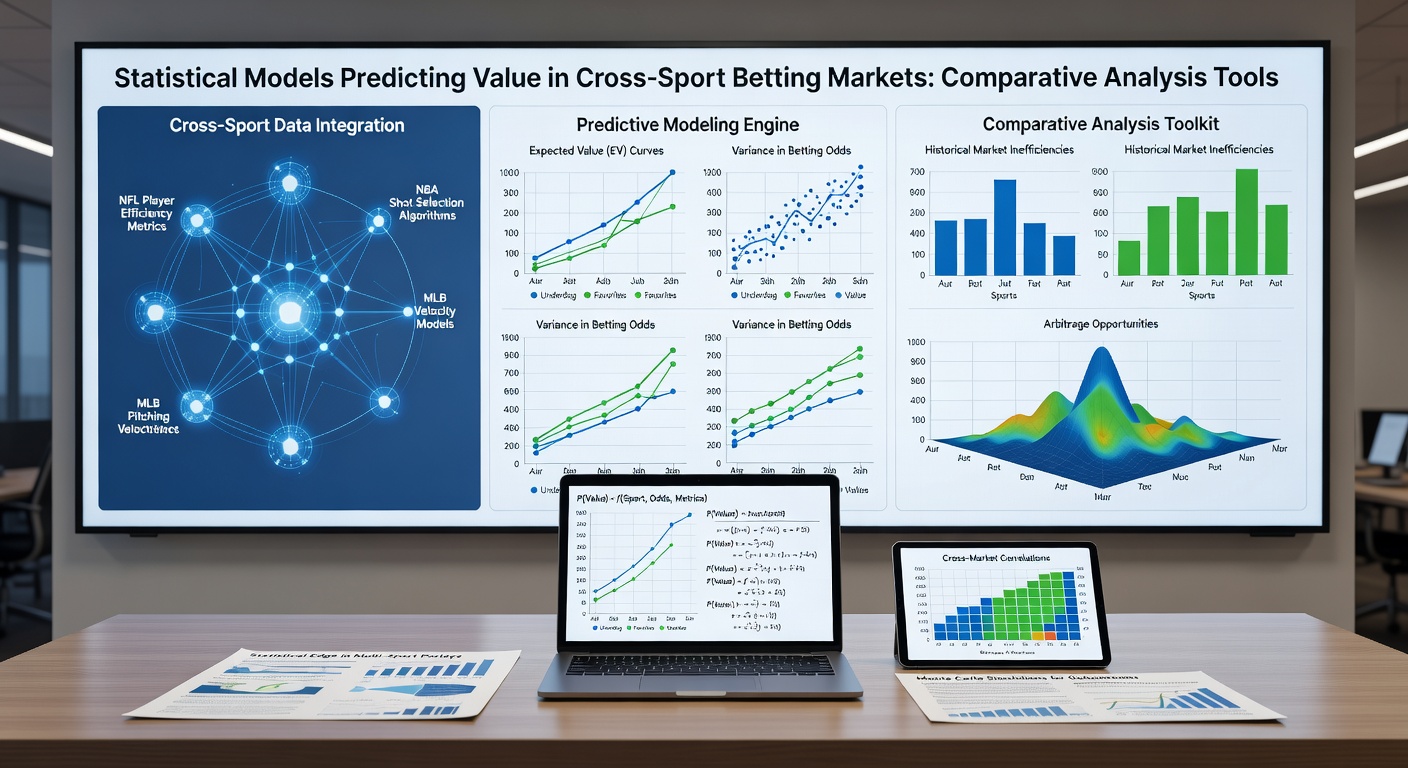
One documented approach involves Monte Carlo simulations that generate thousands of possible scorelines or finishing orders, then rank outcomes by frequency to establish value thresholds. When market odds diverge from the simulated median by a statistically significant margin, automated alerts direct attention to those selections. Figures released by the Nevada Gaming Control Board indicate rising volumes in such data-driven bets during the first quarter of each year, reflecting broader adoption of these methods among professional syndicates.
Integration With Live Data Streams
Live comparative systems pull from official scoring feeds and sensor data, updating model parameters continuously rather than relying solely on pre-event snapshots. This dynamic process captures momentum changes, injury substitutions, and track conditions as they develop, allowing rapid reassessment of value across linked markets. Analysts observe that incorporating these inputs reduces variance in long-term returns when models remain disciplined about bankroll allocation and edge sizing.
Academic papers published through outlets such as the Australian Gambling Research Centre demonstrate how ensemble methods that combine multiple statistical approaches outperform isolated techniques, particularly when cross-referenced against betting exchange liquidity metrics. These studies track performance across thousands of events, revealing consistent edges in markets where comparative normalization accounts for sport-specific scoring quirks.
Challenges and Refinement Processes
Model builders face ongoing issues with data quality and overfitting, where excessive tuning to past results reduces forward predictive power. Regular validation against unseen competitions helps mitigate this risk, while ensemble techniques average outputs from several independent frameworks to stabilize forecasts. External factors such as rule changes or equipment modifications require manual overrides until sufficient new data accumulates for automated retraining.
Market efficiency also evolves as more participants adopt similar tools, compressing margins and demanding higher thresholds before value appears. Those who monitor line movements across multiple books gain an additional layer of confirmation, ensuring that apparent discrepancies stem from genuine informational advantages rather than temporary liquidity gaps.
Conclusion
Statistical models paired with comparative analysis tools continue to shape how value emerges in multi-sport betting environments by translating raw performance data into actionable probability estimates. Their effectiveness depends on rigorous testing, disciplined integration of live inputs, and careful handling of cross-sport variables that link otherwise separate competitions. As datasets expand and algorithms mature, these methods provide structured frameworks for identifying mispriced opportunities without reliance on intuition alone.