Digital Footprints: How Social Media Sentiment Shapes Betting Prices in Football Derbies and Racing Classics
Theo Wolf · Aug 3, 2026
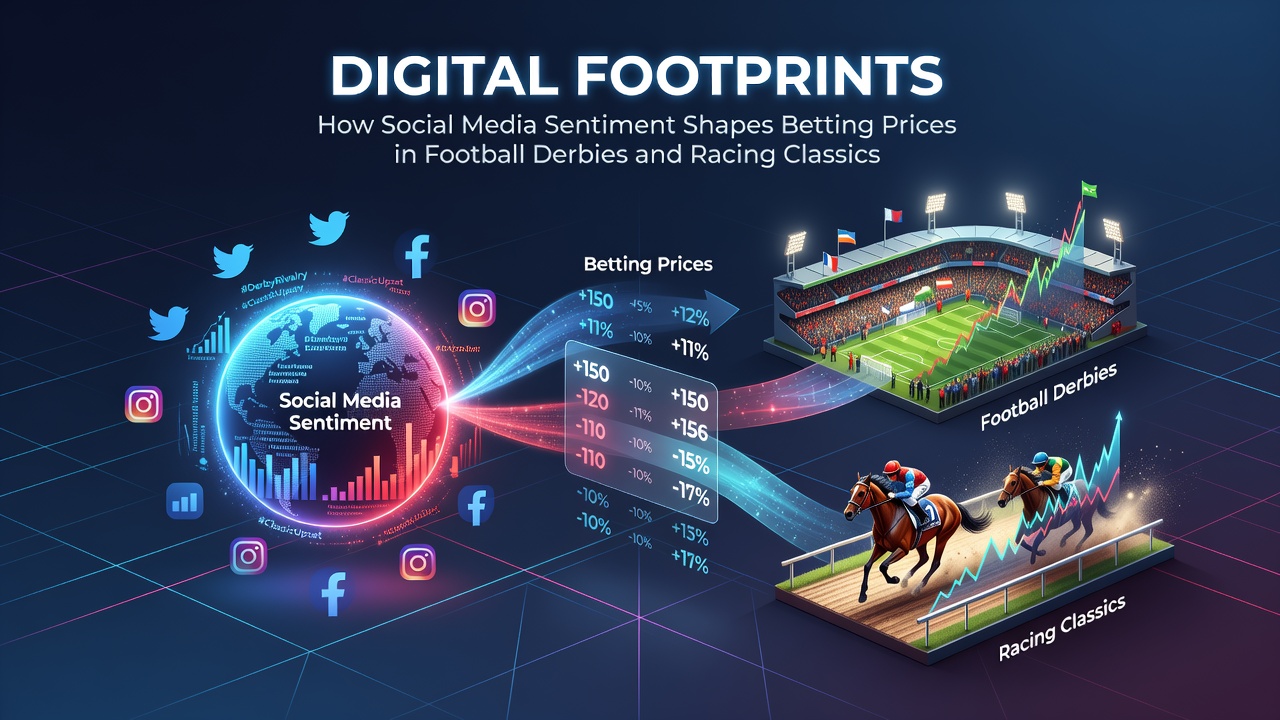
Digital Footprints: How Social Media Sentiment Shapes Betting Prices in Football Derbies and Racing Classics
Bookmakers track online conversations across platforms like X, Reddit, and Instagram to adjust odds in major football derbies and classic horse races, where sudden spikes in positive or negative mentions often precede line movements of several points. Researchers at institutions such as the University of Nevada have documented how algorithms scan millions of posts daily for keywords tied to player injuries, trainer comments, or weather impacts, turning those signals into pricing updates that appear on betting exchanges within minutes.
Monitoring Mechanisms Behind the Markets
Specialized software pulls data from public APIs and applies natural language processing models to classify posts as bullish or bearish toward specific teams or runners, then feeds those scores into risk management systems that widen or tighten spreads accordingly. In the lead-up to events like the Manchester derby or the Epsom Oaks, volume surges on social channels frequently correlate with liquidity shifts on major exchanges, where sharp bettors exploit early discrepancies before retail markets realign.
Analysts note that a single viral clip of a jockey's interview or a defender's training mishap can generate thousands of engagements in under an hour, prompting automated alerts that reach trading desks at multiple operators simultaneously. Data compiled by the National Center for Responsible Gaming shows patterns where sentiment scores above a defined threshold precede measurable changes in implied probabilities for high-profile fixtures.
Football Derbies and Rapid Sentiment Shifts
Local rivalries generate concentrated chatter that spreads quickly through regional hashtags and fan accounts, creating feedback loops that amplify minor news into market-moving events. Observers have tracked instances during the North West derby cycle where optimistic posts about an attacking midfielder's recovery timeline coincided with shortened odds on his team to win, even before official squad announcements confirmed availability.
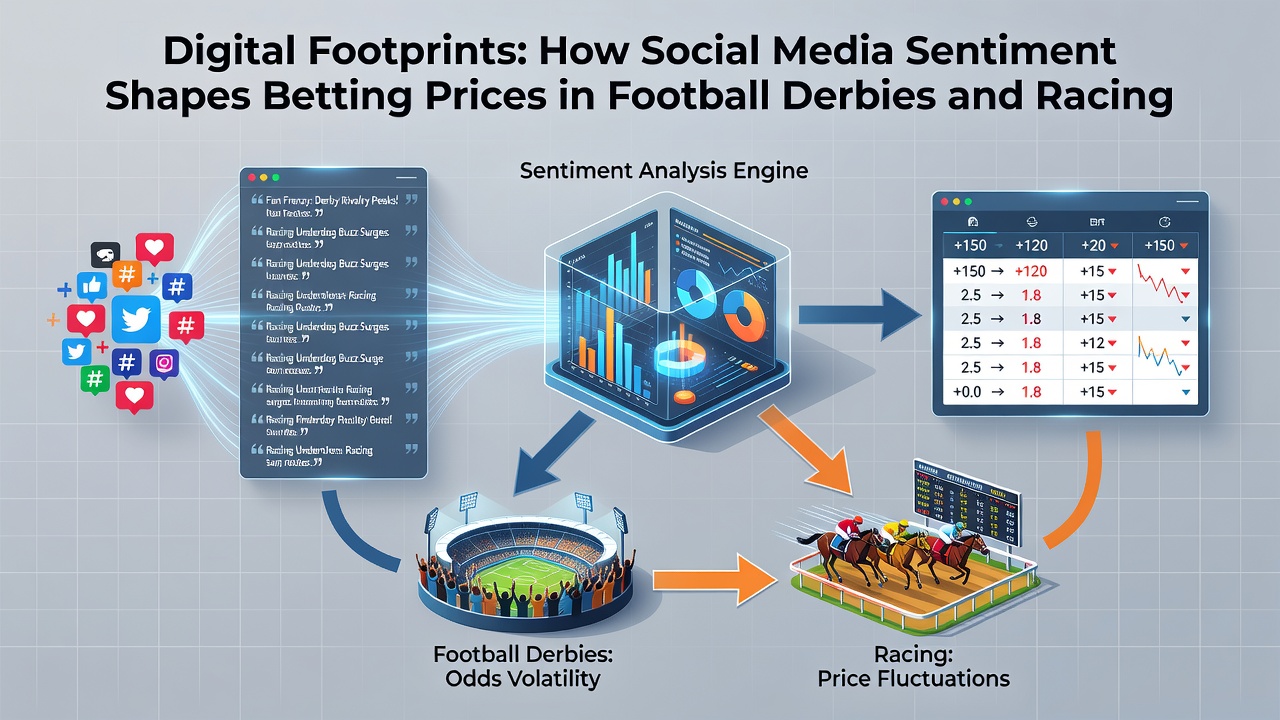
Betting operators integrate these feeds with traditional indicators such as team news and historical form, yet the speed of social data often gives it precedence in volatile windows like the 48 hours before kickoff. Studies from academic groups in Australia have examined how sentiment velocity, rather than absolute volume, better predicts the magnitude of price adjustments in matches with large public interest.
Racing Classics and Long-Form Narrative Influence
Events such as the Cheltenham Gold Cup or the Melbourne Cup attract extended discussion threads that build over weeks, where trainer updates, trackwork reports, and owner statements accumulate into sustained sentiment trends. Those prolonged narratives allow bookmakers to fine-tune ante-post markets gradually, with adjustments appearing in smaller increments than the abrupt swings seen in football. Research published through the National Council on Responsible Gaming indicates that sustained positive mentions around a particular horse often align with incremental shortening of its odds across multiple layers of the market.
Weather-related posts from on-course observers or stable insiders carry particular weight in jump racing, where ground conditions directly affect performance probabilities and can trigger immediate recalibrations once verified by official sources. In August 2026, analysts recorded several cases where early social signals about soft ground preferences for certain stayers preceded official going reports and subsequent odds revisions in major autumn handicaps.
Data Integration and Market Efficiency
Operators combine social listening tools with on-chain betting data and traditional scouting reports to create composite risk models that flag unusual activity. When sentiment diverges sharply from statistical baselines, trading teams review the underlying posts for authenticity before authorizing larger limit changes. This layered approach reduces exposure to coordinated misinformation campaigns that occasionally surface around high-stakes fixtures.
Cross-referencing with regulatory filings from bodies in multiple jurisdictions reveals that firms maintaining dedicated social intelligence teams report tighter margins on popular derbies and classics compared with less-discussed events. The same datasets also highlight periods of heightened volatility when major accounts with verified followings post contradictory information within short timeframes.
Conclusion
Digital footprints left across public platforms continue to feed into pricing engines that govern football derbies and racing classics, with sentiment metrics now forming a standard input alongside conventional performance data. As processing speeds increase and models refine their ability to filter noise, the interval between online discussion and visible market movement is expected to shorten further, creating tighter feedback between public discourse and available odds across global betting networks.